About Project Change
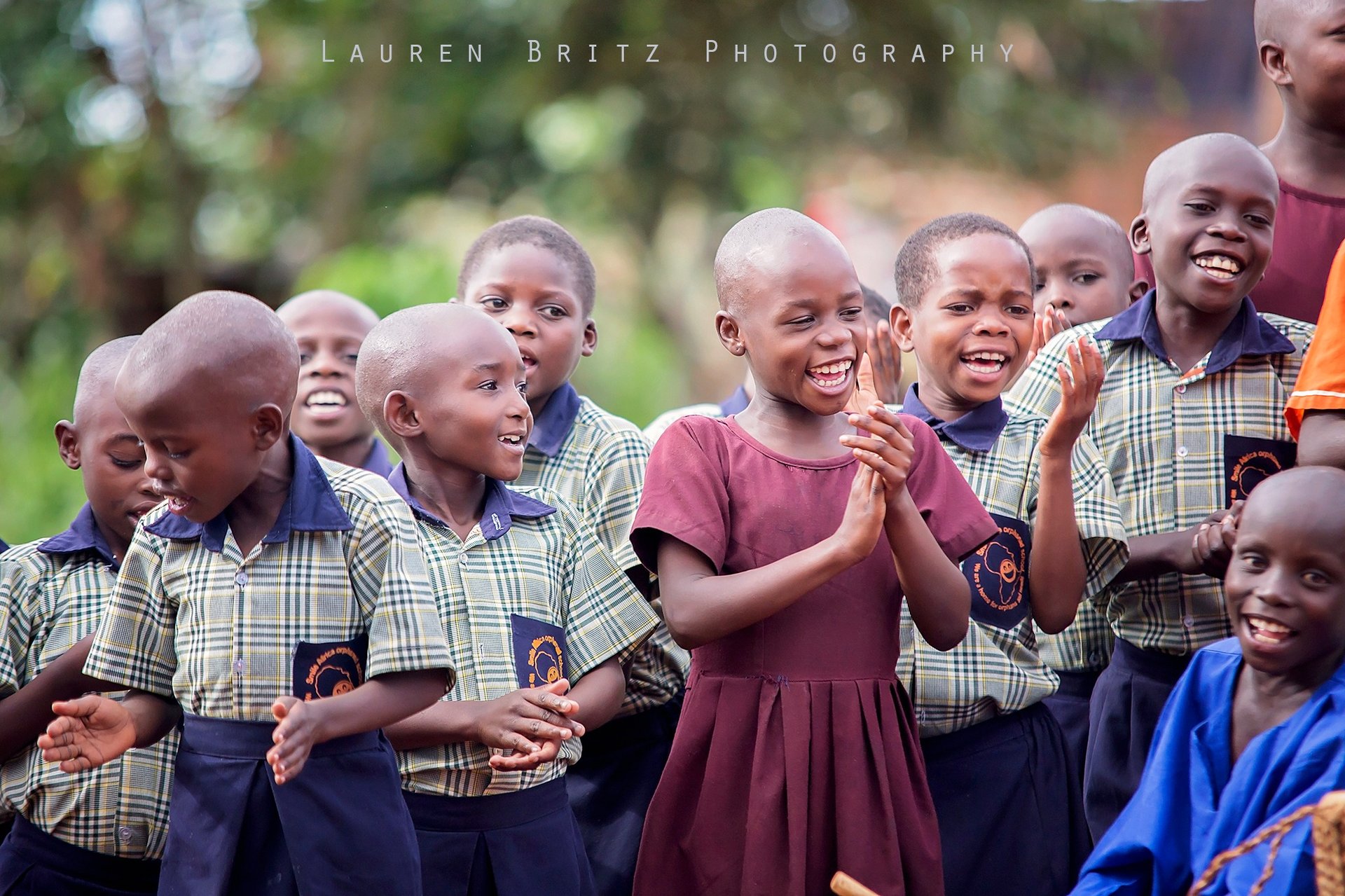
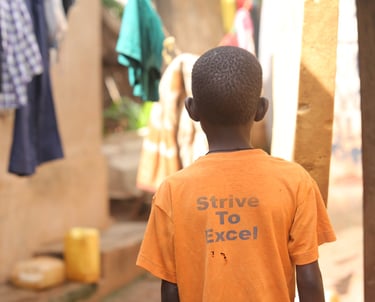
Project Change connects compassionate donors with life-changing initiatives that help women and children rebuild their lives in regions devastated by war, famine, and poverty. From building orphanages and schools to creating rehabilitation centers for survivors of trauma, we turn empathy into action.
Donors can join an existing project or launch their own, with our full guidance, support, and oversight every step of the way. While our flagship programs are based in Africa, Project Change also has a strong and growing presence across the United States.
Our donors “adopt” projects they believe in—fueling long-term impact, sustainability, and advocacy for lasting transformation. Every initiative is carefully vetted, monitored, and reported on, ensuring your generosity creates the difference you intend and remain compliant.
Based in Florida, Project Change, Inc. is a registered 501(c)(3) nonprofit.
Together, we’re not just giving hope—we’re building it.
200,000+
1,000,000+
Lives changed
Meals Served
Our Projects
FOSKOF - street slum project
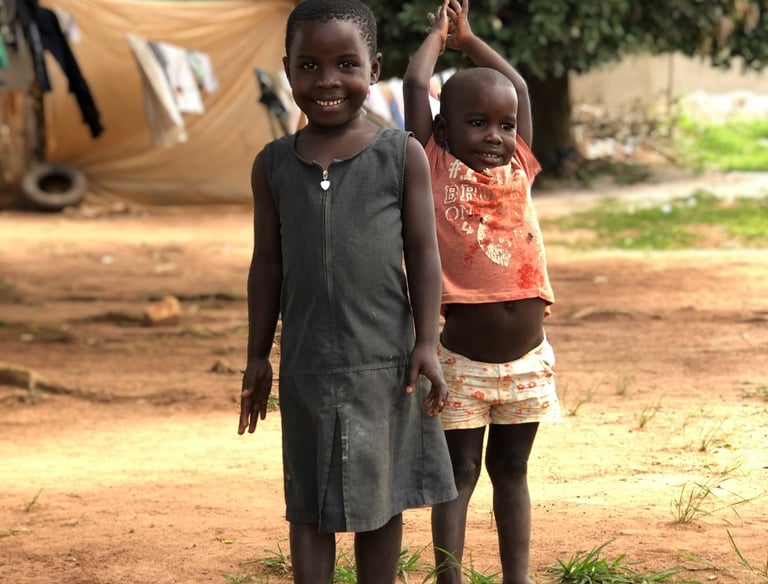
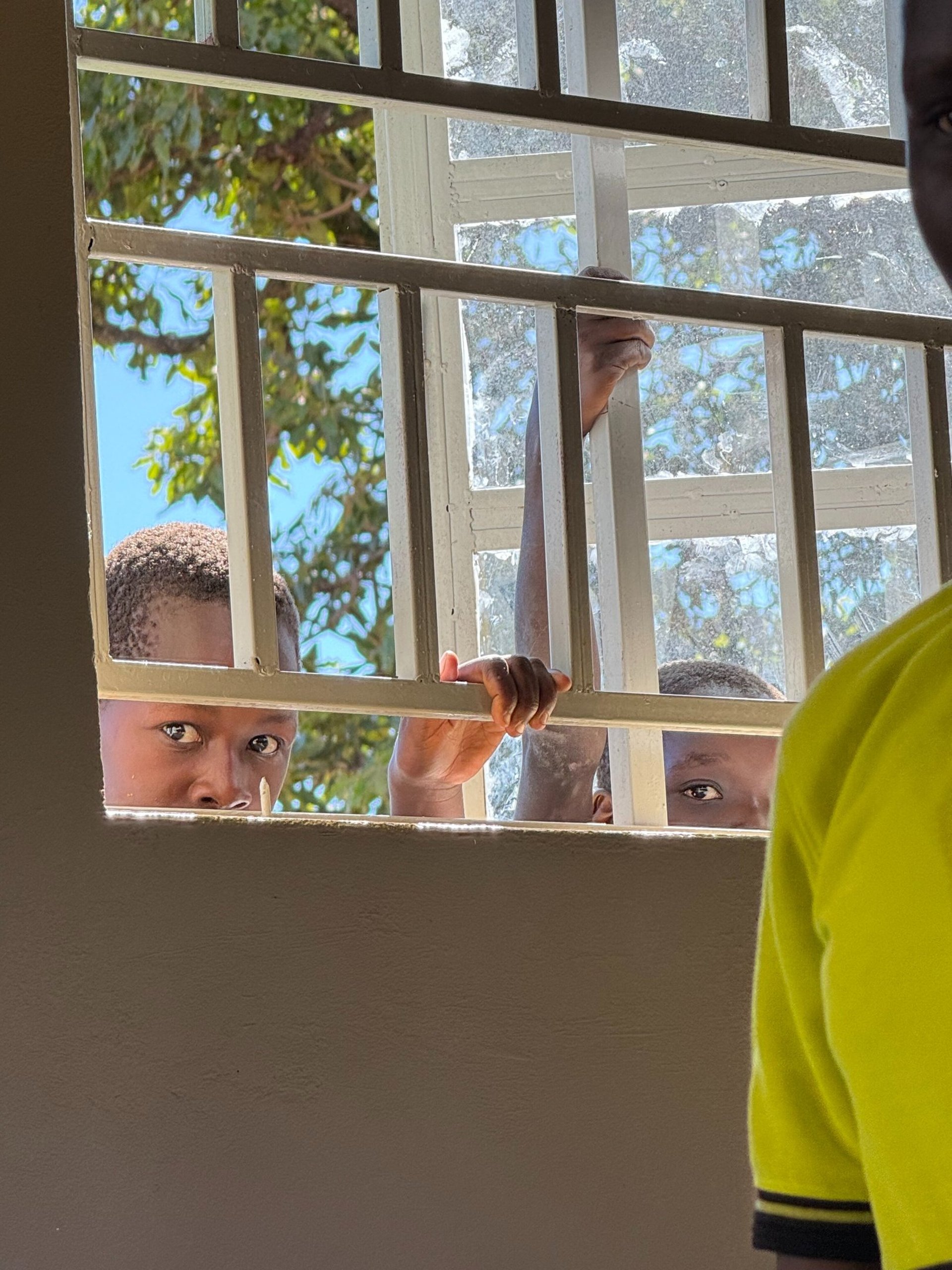
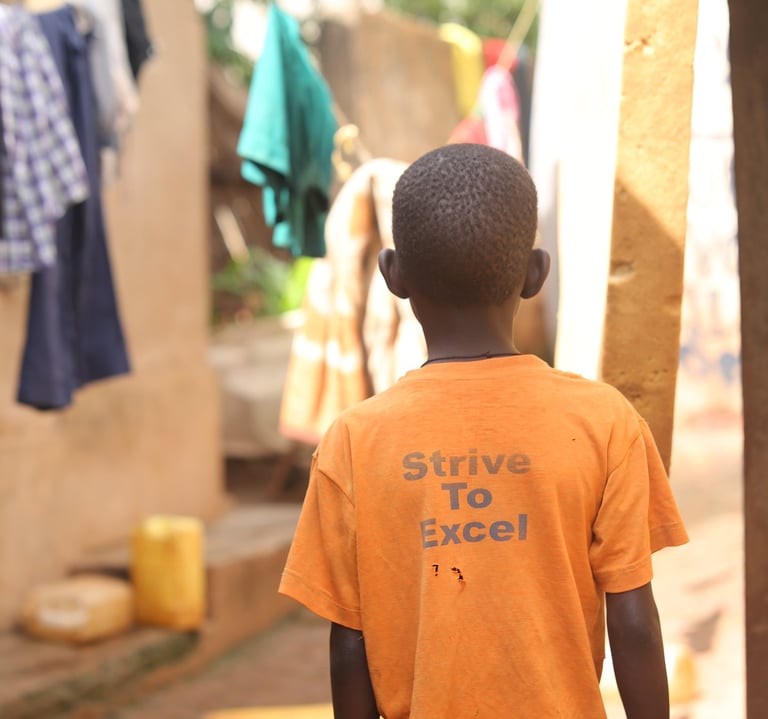
Rescuing children living on the streets of Kampala and the slums from arbitrary arrest for begging, sexual exploitation, rape, abuse, and severe malnutrition
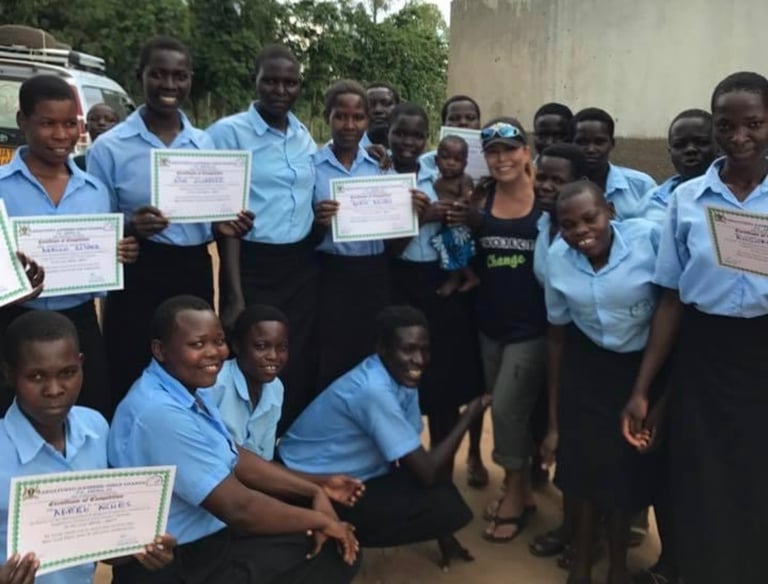
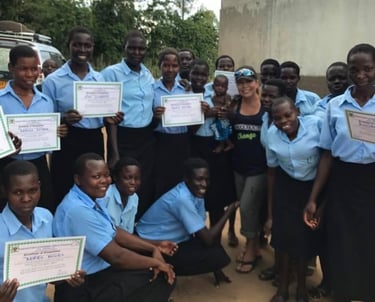
Lioness Trade Center for girls
Discover how The Lioness Project empowers young Ugandan women—offering shelter, education and income-earning skills to survivors of exploitation
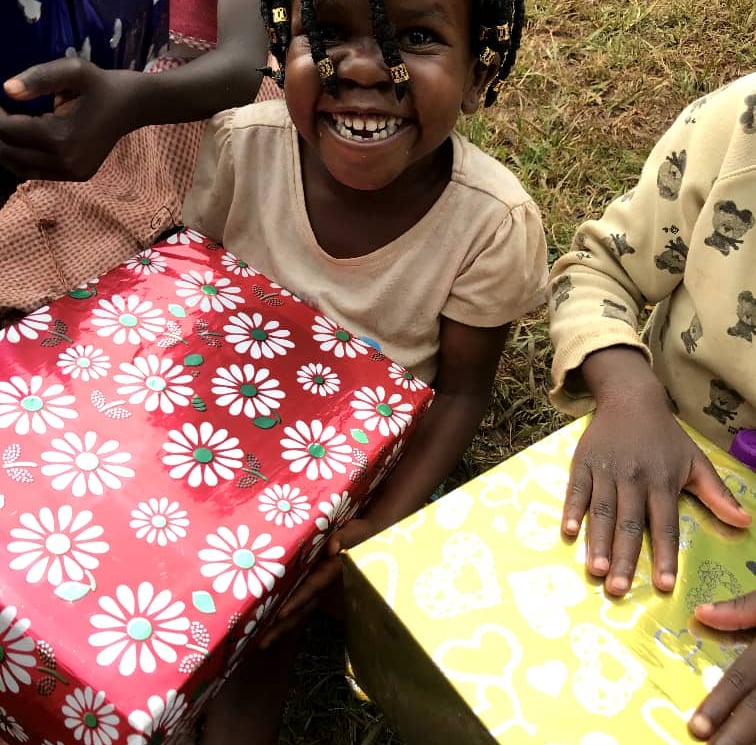
Each holiday season, Project Change brings food, medical care, and small gifts to over 1,000 children—turning hardship into hope and reminding every child they are not forgotten.
Holiday Outreach
Boots on the ground
We’re boots on the ground—personally involved in every step, from vetting programs to negotiating food and construction costs—so you can see exactly where your donation makes a difference.
Locations
7900 Nova Dr. #205
Davie, FL 33324
Hours
Monday - Friday
9am - 4pm
Contacts
065-380-8778
info@projectchange.org